
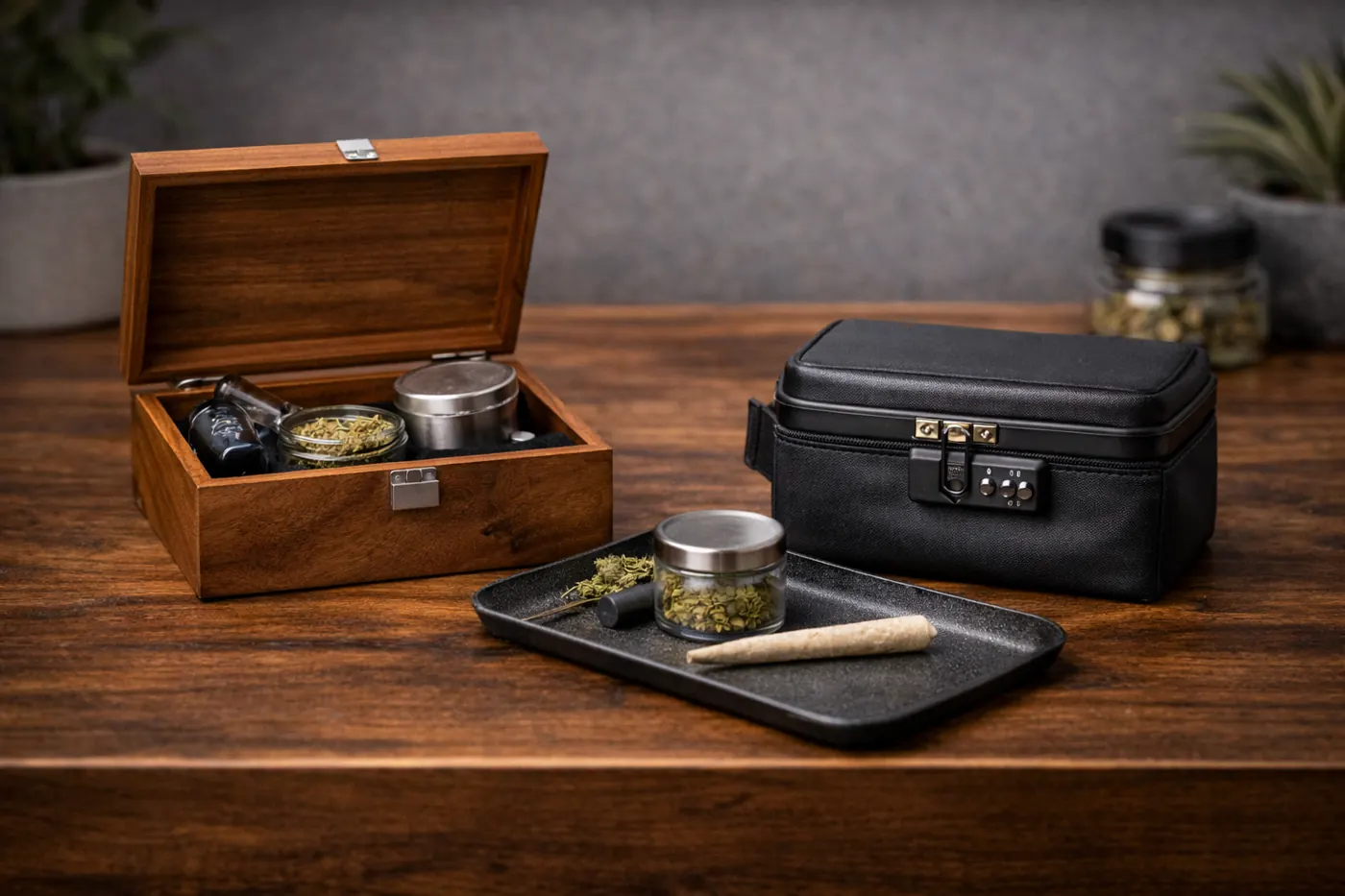
Small-space smell-proof containers need to do two jobs at once: control odor and avoid turning a drawer into a pile of jars, bags, and loose tools. The best container is not always the biggest or most armored one. It is the one that fits the actual shelf, drawer, tote, or nightstand where the setup lives.
Quick answer
For most people, the best answer is simple: choose the smallest reliable option that solves small-space storage, keep it with the rest of the setup, and avoid buying a larger system than you actually need.
Think about where it will live
Storage accessories earn their keep in the handoff after use: whether the pouch, case, or container closes cleanly instead of leaving pieces loose in the drawer.
Before buying for small-space smell-proof containers, picture the exact spot it will occupy after use. If there is no obvious home, it is likely to become clutter.
Details worth checking
For small-space smell-proof containers, favor clean edges, a sensible size, easy cleanup, and compartments that match the items you already own.
For small-space smell-proof containers, odor control works best when the source is contained first: sealed flower, clean tools, fewer open surfaces, and a closure that is not fighting an overstuffed bag.
Good for
Consider this kind of upgrade for small-space smell-proof containers when one weak spot keeps repeating: loose parts, messy surfaces, odor, charging friction, or no clear storage home.
It is especially useful when the setup needs to blend into normal household storage instead of looking like a dedicated gear display.
Not ideal for
Avoid it if it adds compartments you will not use or makes the bag harder to close after a normal session.
A simple pouch, jar, or small case often beats a bulky organizer when space is tight.
Bottom line
Good storage should make ownership easier after the purchase: close it, put it away, and know where everything is next time.
Choose the smallest storage option that closes comfortably around the real routine, then add only what the setup proves it needs.
What is probably overkill
A large lockbox or hard travel case is probably overkill if you only need to store a small personal amount at home. In that case, a tighter container plus one contained accessory pouch may feel cleaner than a bulky box.
The most common regret
The common regret is buying several separate containers instead of building one simple system. Too many small jars can create the same clutter problem people were trying to solve.
What starts to annoy people later
Later annoyance usually comes from shape. Tall containers waste drawer space. Round jars roll around or crowd other gear. Clear containers may be easy to inspect but less discreet. A good small-space choice is boring in the best way: compact, stable, easy to clean, and easy to put back.
What owners usually notice first
People usually notice the lid and seal before anything else. A container that feels secure, closes cleanly, and does not pick up residue on the outside inspires more confidence than a larger container with a loose lid or awkward latch.
Small-apartment reality
In a small apartment, odor control is partly about the container and partly about reducing how often things are opened, moved, and left out. Buyers often seem happiest when the flower container, grinder, and small tools have a single home instead of being scattered between a kitchen drawer, bedside table, and backpack.
Disclosure: This page may contain affiliate links, which means GreenGiggles may earn a commission if you buy through them, at no extra cost to you. As an Amazon Associate I earn from qualifying purchases.