
Best Weed Grinders for Adults
Use this section to sort out daily-use grinders, beginner picks, apartment-friendly sizes, home-use options, and the difference between a real upgrade and a more expensive mistake.
See grinder options on Amazon or browse grinder picks at Smoke Cartel.
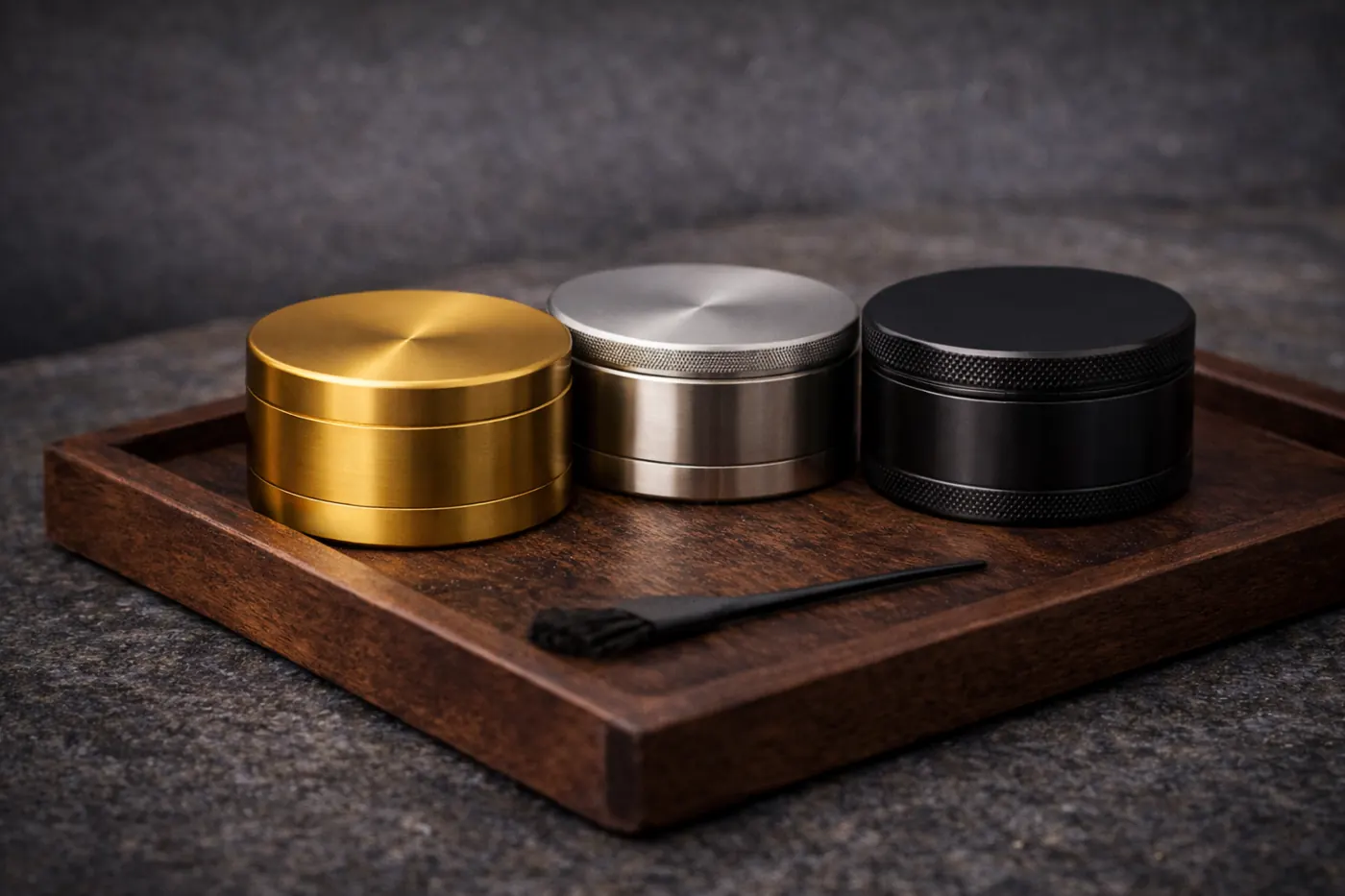
Start here if
If you want one grinder that feels like the safest all-around buy, start with the daily-use page. If you are still figuring out whether you even need to upgrade, the beginner and budget-upgrade pages are better entry points.
It also helps if you are trying to think through size, apartment fit, home fit, and whether paying more really makes sense for the way you use it.
What matters more than people think
The best grinders are not just about sharp teeth or marketing language. They are about how the grinder feels in the hand, how easy it is to use repeatedly, how well it fits the setup, and whether it starts to feel annoying after a few weeks. That includes size, weight, consistency, and how well the grinder fits drawers, shelves, travel bags, and cleaner home setups.
GreenGiggles also pays attention to whether something is genuinely worth the price or just easier to admire than to live with.
Best places to begin
Next good reads
If the grinder mostly stays home, the home-use and premium pages become a better fit. If you care more about value and practicality, the daily-use, beginner, and apartment pages are the strongest next clicks.
Follow the grinder path that fits your setup
If your grinder mostly stays home, move toward home-use, premium, and size guides. If you live in a smaller space, move toward apartment, small-grinder, and drawer-fit pages. If you are still deciding what is worth paying for, compare daily-use, beginner, budget-upgrade, and build-quality pages first.
Why grinders matter
When you use something regularly, “technically works” stops sounding impressive. What starts to matter is grip, threading, comfort, storage fit, and whether the tool behaves like gear instead of a compromise.
Featured grinder guides
Beginner grinders
The best beginner grinder is usually not the one with the most features. It is the one with the fewest avoidable frustrations.
Daily use and upgrades
A grinder upgrade is usually not dramatic. It is just a series of small things getting better at once.
Small space, portability, and travel
A lot of readers are not looking for a grinder that lives on a giant tray in a giant room. They need something that fits their actual setup.
Home-use grinders
If the grinder mostly stays home, your priorities can shift toward comfort, grip, capacity, and handling.
Materials and build quality
A grinder can look fine and still feel wrong once you actually use it. That is why materials and build quality matter.
Common grinder questions
These questions focus on grinders from an ownership angle: what tends to work at first, what gets annoying later, and where buyers should be careful before adding more gear.
What size grinder should most people buy?
Most adults are best served by a medium grinder that is large enough to use comfortably but small enough to store easily. Tiny grinders are portable but get annoying for regular use. Large grinders are satisfying at home but can feel like too much gear for a small drawer or pouch.
Is a premium grinder worth it?
It can be worth it if the upgrade improves the everyday feel: smoother threading, better grip, stronger lid confidence, cleaner grind, and less sticking. It is less worth it if the grinder mostly sits unused or if the upgrade is just heavier, flashier, or more complicated.
Why do grinders get sticky?
Residue builds up where teeth, threads, and chambers meet. The issue is worse when the grinder is used often, stored loose, or ignored until it starts fighting back. A grinder that is easy to brush out is more useful than one that looks impressive but has too many annoying corners.
Is metal always better than acrylic?
For most adult setups, metal is the safer long-term choice. Acrylic can be cheap and light, but it tends to feel more temporary. The better question is not just material, though; teeth, threads, lid fit, grip, and cleaning access decide whether the grinder feels good over time.
New grinder travel and cleanup guides
These guides focus on the real-life grinder problems that show up after the purchase: mess on the table, stale storage, travel convenience, sticky threads, and whether an upgrade actually changes the daily routine.
What owners usually notice first
A recurring theme in grinder discussions is that people judge the purchase by feel before they judge it by specs. A grinder that turns smoothly, does not squeak or bind, and does not scatter flower across the tray immediately feels like a better piece of gear. It is the same reason a good camera lens cap, pocket knife, or travel zipper can make a cheap version feel annoying after a week.
Buyers often seem happiest when the grinder matches their actual routine. A small two-piece grinder can be fine for occasional use or travel. A larger four-piece grinder makes more sense for a home base where you want less reloading and better organization. The regret usually starts when someone buys for the product photo instead of the drawer, nightstand, or tray where the grinder will actually live.
What starts to annoy people later
The complaints that show up later are usually not dramatic. They are boring daily-use problems: sticky threads, hard turning, teeth that leave uneven chunks, a screen that clogs, a kief catcher nobody cleans, or a grinder that is too wide for the pouch where it was supposed to fit. Those are the details that separate a grinder you tolerate from one you reach for automatically.
For adults building a cleaner setup, the best grinder is rarely the most complicated one. It is the one that keeps the routine tidy, fits the storage system, and does not create a second cleanup job every time you use it.
New grinder decision guides
Use these if your question is less about a brand name and more about the setup problem: grind consistency for vaporizers, piece count, size, and daily handling.