
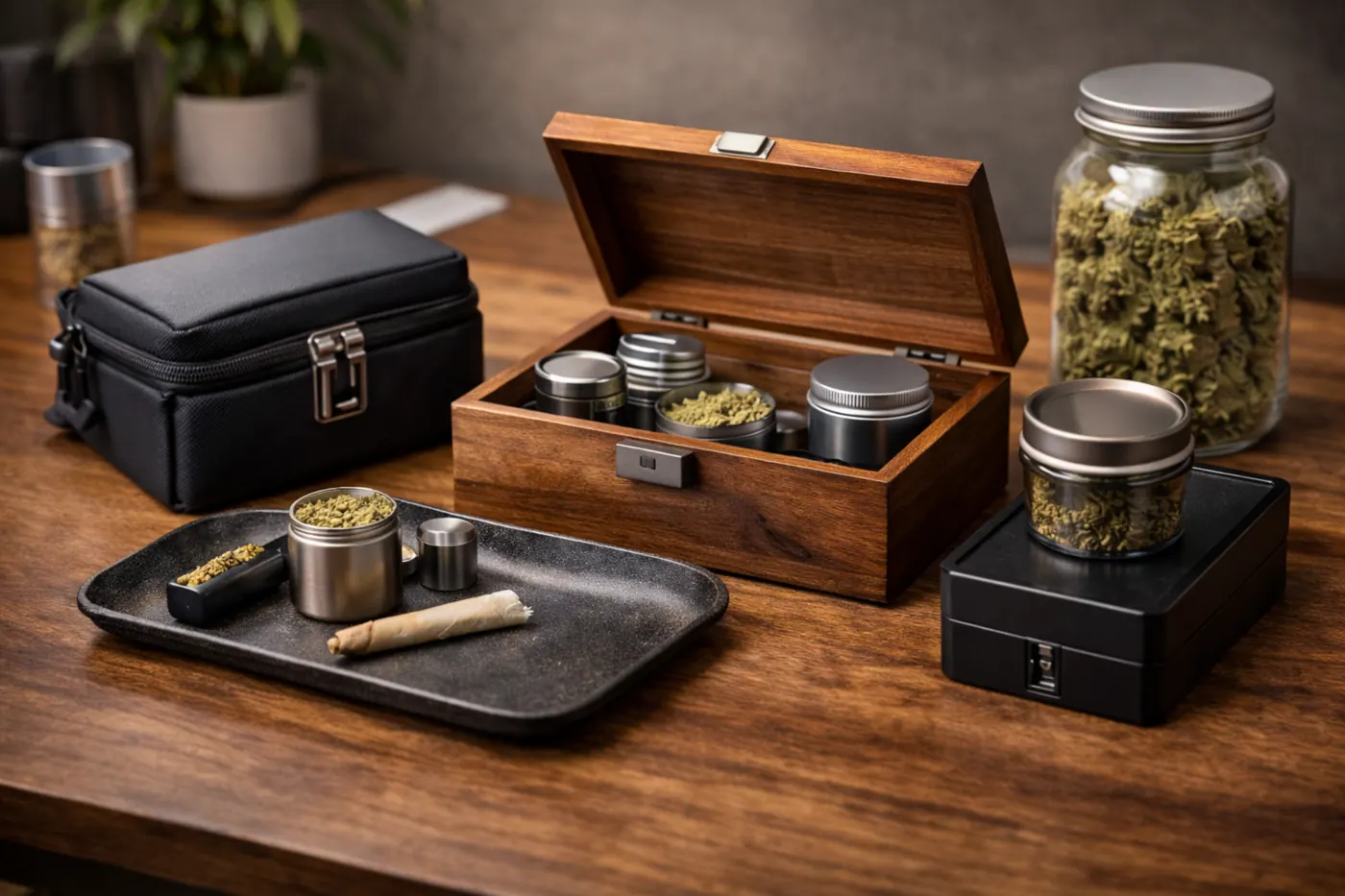
Drawer organizers only help if they make the setup easier to reset. A good drawer setup should feel calmer and simpler, not like you built a smaller version of visible clutter and hid it in a drawer.
Quick answer
Use drawer organizers if they help separate the main storage, the daily-use pieces, and the maintenance pieces. Skip them if they just turn one mess into a more expensive grid.
What a drawer organizer should actually do
It should help you put things away quickly, find them easily, and keep the drawer from becoming a junk zone.
Disclosure: This page may contain affiliate links, which means GreenGiggles may earn a commission if you buy through them, at no extra cost to you. As an Amazon Associate I earn from qualifying purchases.
Keep the sections simple
One zone for the main gear, one for small daily items, and one for maintenance usually works better than lots of tiny compartments.
When an organizer is not helping
If the drawer still feels crowded and annoying, the organizer may be preserving too much stuff instead of solving the real problem.
What to pair it with
Drawer organization works best when the main storage is already under control. It is support, not the whole answer.
Bottom line
Drawer organizers are worth it when they make reset easier. If they do not, simplify instead.
What owners usually notice first
A recurring theme in owner discussions is that the organizer itself is not the win. The win is opening the drawer and not having to hunt for the brush, lighter, spare screens, charger, or small container that always seems to migrate to the back corner.
Buyers often seem happiest when the drawer has a few clear zones instead of a dozen tiny slots. Think camera-bag layout, not jewelry-box layout: main gear in one place, small parts in another, and cleaning pieces separated so residue does not spread into everything else.
What starts to annoy people later
The most common disappointment is buying an organizer that looks clean in a product photo but does not match the actual mix of gear. Tall jars, chunky grinders, loose cables, and curved accessories rarely fit as neatly as pens and office supplies.
Another frustration is cleaning around the organizer. If crumbs, dust, or sticky residue collect in grooves and corners, the drawer can start to feel less clean than a simple pouch or tray would have.
What is worth paying more for
Pay more for a layout that fits your real drawer depth, has compartments big enough for the items you actually use, and can be wiped down without feeling fragile. Adjustable dividers can help, but only if they stay in place when the drawer opens and closes.
This is one of those areas where a cheap plastic insert can be fine. The upgrade is not luxury; it is fit. A boring organizer that fits the drawer and resets easily beats a fancy one that forces everything into awkward little rectangles.
Setup reality
A drawer organizer works best when it supports a larger routine: storage container or bag for anything odor-sensitive, a small tray for active use, and a defined spot for cleaning pieces. If everything goes directly into the drawer loose, the organizer is doing too much work.
Skip it if you are still deciding what gear you actually use. Organizing too early can preserve clutter instead of removing it.
Keep reading
- Best Home Organization Upgrades for a Cleaner Cannabis Setup
- How to Build a Low-Clutter Cannabis Setup
- Best Weed Accessories for Adults Who Hate Clutter
- Best Storage Setup for Shared Spaces
- Best Drawer-Based Setups for Smaller Spaces
- Best Home Base for a Grinder, Vape, and Cleaning Kit
- Best Minimalist Cannabis Setup for Adults